
Do Not Attempt to Remove a European Wasp Nest
European wasps are aggressive and unpredictable. Disturbing a nest can trigger swarm attacks and result in multiple stings within seconds. If you suspect a European wasp nest on your property, do not attempt DIY removal, contact Flick pest control immediately.
Call now or book online for professional European wasp removal.
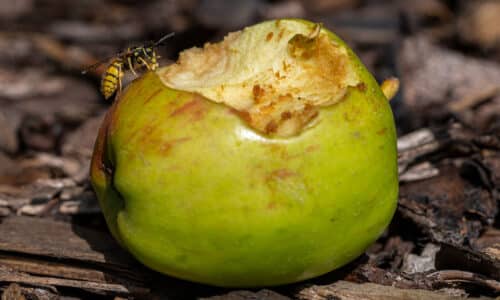
European wasps are not just another outdoor nuisance. Around Australian homes, they represent one of the most dangerous stinging pest threats, particularly during warmer months when people spend more time outside.
Unlike bees or many native wasps, European wasps can sting repeatedly without dying. They aggressively defend their nests and are drawn to food, making them especially dangerous around children, pets, barbecues and outdoor eating areas. If you are seeing black and yellow wasps persistently hovering around food or rubbish, the problem is unlikely to resolve on its own.
What Are European Wasps?
European wasps (Vespula germanica) are an invasive species that first arrived in Australia in 1959. Since then, they have spread extensively and are now firmly established across Victoria, New South Wales, South Australia and Western Australia, including major cities such as Sydney, Melbourne, Adelaide and Perth.
Australia’s climate has proven ideal for them. Mild winters allow nests to survive far longer than they would in Europe, and in some cases entire nests continue growing year after year instead of dying off at the end of the season.
Why European Wasps Are So Dangerous
European wasps are significantly more aggressive than Australia’s native wasp species. When a nest is threatened, wasps release alarm chemicals that signal others to attack. This can result in multiple wasps stinging repeatedly, often targeting the face, neck and upper body.
For some people, a single sting causes pain and swelling. For others — particularly those with allergies — stings can be life-threatening. Multiple stings can overwhelm the body even in people with no known allergy.
If someone experiences difficulty breathing, swelling of the face or throat, dizziness, rapid heartbeat or signs of an allergic reaction after a sting, call 000 immediately.
How to Identify European Wasps
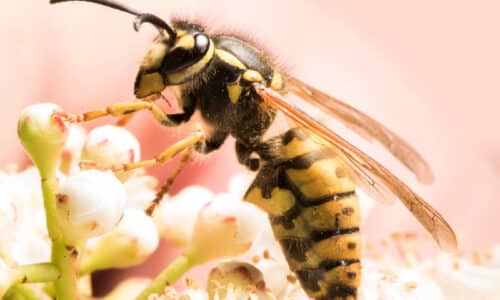
European wasps are often mistaken for bees, but there are important differences. They have a smooth, less hairy body with bright yellow and black bands and distinctive black spots. Their legs are yellow, and their clear wings fold close to the body when at rest.
Behaviour is often the biggest clue. European wasps are persistent, highly active and far more aggressive than bees. Correct identification matters, as treating the wrong species can make the situation worse.
Where European Wasps Build Nests
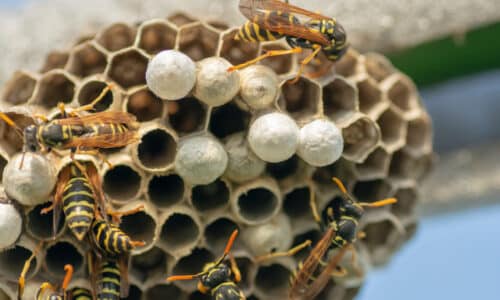
European wasps prefer hidden, protected locations. Nests are commonly found underground, inside wall cavities or roof spaces, in sheds and eaves, behind retaining walls, in tree hollows or even behind outdoor furniture.
These nests are made from chewed wood pulp and saliva, forming grey papery structures that can house thousands — and sometimes tens of thousands — of wasps. The larger the nest, the greater the risk.
Why European Wasp Numbers Are Increasing
European wasps thrive in Australia because they have few natural predators and benefit from warm conditions. Unlike Europe, where only queens survive winter, Australian nests can persist year-round and continue growing.
This leads to larger colonies, more aggressive behaviour and a higher likelihood of dangerous encounters around homes and businesses.
Should You Remove a European Wasp Nest Yourself?
No. DIY European wasp removal is extremely dangerous.
Even with protective clothing, disturbing a nest can trigger a swarm attack. Incomplete removal often allows the colony to rebuild, leaving the problem unresolved and potentially more dangerous.
Professional removal is the only safe and effective option.
Professional European Wasp Removal
Licensed pest control technicians use specialised equipment and targeted treatments designed specifically for European wasps. The process involves locating all nest sites, assessing safety risks, applying professional-grade insecticides and ensuring the nest is fully destroyed.
This approach minimises risk to people and pets and reduces the chance of future infestations.
Where European Wasps Are Found in Australia
European wasps are now firmly established across southern regions of Australia, including:
- Western Australia – Perth and surrounding regions
- South Australia – Adelaide and across the state
- Victoria – Widespread throughout the state including Melbourne, Geelong, Port Fairy, Mornington Peninsula, Dandenong, Ballerat
- Tasmania – Established across the state
- Southern New South Wales – Sydney, South Coast and southern regions
- Australian Capital Territory – Canberra, Quenbeyan, Belconnen, Gungahlin and surrounding areas
If you live in any of these areas, European wasps are a real and present threat, particularly during January to March.
Get Professional European Wasp Removal Today
European wasps pose a real risk to your family, pets and property. If you suspect a nest or are experiencing ongoing wasp activity, don’t wait for the problem to escalate.
Call now or book online for professional European wasp removal.
Fast response. Safe treatment. Expert technicians.
Enjoyed this article?
If you found this article helpful, sign up for our free Quarterly Newsletter to receive all our tips and tricks on pest control and washroom hygiene.
Sign Me Up!