
Australian homes might find the occasional visitor in the form of a large, fast‑moving arachnid, yes, the infamous huntsman spider. While their size and speed are enough to give anyone the chills, huntsman spiders rarely pose a direct danger to humans. Rather, their presence often signals a deeper pest issue. In this article, we explore the true role of huntsman spiders, what it means when you spot one in your home, and how taking action now can keep your property pest‑free.
Are Huntsman Spiders Dangerous?
Huntsman spiders are among the most recognisable spiders in Australia thanks to their wide stance and swift movements. According to the Australian Museum they belong to the family Sparassidae and commonly enter houses and even cars. Here’s what to know:
- Bites are rare: These spiders prefer flight over fight. Most bites occur only if they’re provoked or trapped.
- Mild effects: For healthy adults, bites tend to cause minor pain, redness or swelling and rarely require serious medical intervention.
- Still worth caution: If you’re allergic or bitten in a vulnerable area, seek medical advice, especially if symptoms worsen.
What Does a Huntsman Spider in Your Home Really Mean?
Seeing one huntsman inside sometimes means more than just a single rogue spider. In fact, these hunters go where the prey is and that prey often includes other pests.
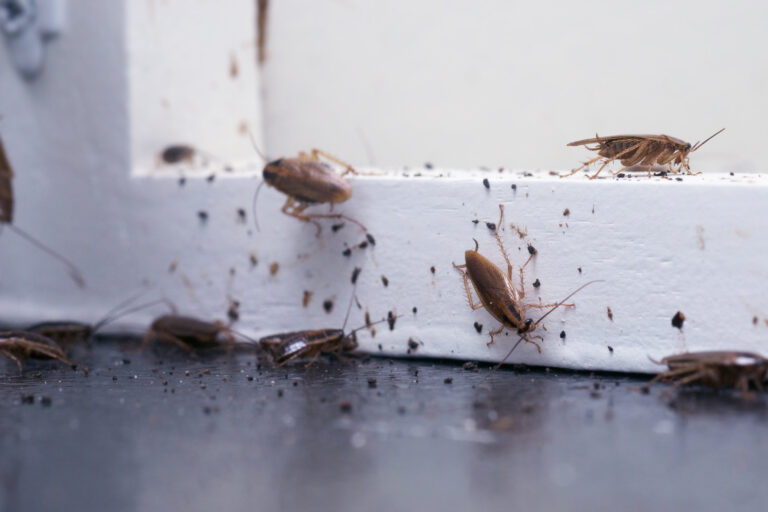
- Pests are nearby: A huntsman indicates food sources like cockroaches, flies or other insects are present.
- Hunting ground found: Homes with cracks, clutter, or insect access provide both hiding places for prey and paths for these spiders.
- More spiders may follow: Some huntsman species are communal in early life stages and their presence may hint at more than one.
By addressing the insects first, you naturally reduce the likelihood of huntsman visits.
Why Their Sudden Movements and “Startle Factor” Happen
Huntsman spiders don’t ambush humans by choice, they’re simply agile ambush predators and prey themselves. If you startle one, its sudden movement is just survival instinct, not aggression. Understanding this takes much of the fear out of the encounter.
One Spider Might Mean Many
Unlike solitary spiders, some huntsman species stick together during early stages. If you spot one adult, others might be nearby, even if you don’t see them. By clearing the environment and removing pests, you remove the reason they’re there in the first place.
How Flick Helps You Tackle the Underlying Problem
Spotted a huntsman? Flick doesn’t just remove the spider, we tackle the full pest ecosystem. Our services target insects like cockroaches and ants that attract spiders, combined with entry‑point sealing, perimeter treatments and monitoring.
By eliminating the spider’s food chain, your home becomes less attractive to both huntsmen and the insects they feed on.
Final Thoughts: A Huntsman Visit Is a Natural Alarm
While a huntsman in your home isn’t necessarily dangerous, treat the sighting as a helpful warning. It’s your chance to detect and address underlying pest issues before they escalate. A proactive pest strategy means you can keep your home free from both insects and spiders without fear or fuss.
Ready to take control? Contact Flick Pest Control today for expert insect and spider management and reclaim peace of mind in your home.
Enjoyed this article?
If you found this article helpful, sign up for our free Quarterly Newsletter to receive all our tips and tricks on pest control and washroom hygiene.
Sign Me Up!