
Imagine this: it’s a warm afternoon in spring. You’re setting up the barbecue in your backyard, guests are chatting, and the kids have left some open cans of soft drink on the table. Suddenly, insects start circling the table. Before you know it, what seems like a harmless buzz becomes a swarm of persistent, aggressive flyers landing near your food and threatening your guests.
If you live in Melbourne, Adelaide, Canberra, Tasmania, the NSW South Coast or Southern Sydney, this scene will be familiar. Two very similar‑looking insects that often get confused are European wasps and bees. Knowing the difference can help you protect your family, your pets and your outdoor lifestyle.
European Wasps: What Makes Them a Real Threat
European wasps are not native to Australia. They have become widespread across the south‑eastern states and are now one of the most common pest insects homeowners encounter.
They are highly adaptable, aggressive feeders and will go after almost anything they can eat or scavenge:
- sweet drinks and fruit juices left outdoors
- exposed meats and barbecue scraps
- open rubbish bins
- pet food in outdoor bowls
One thing that sets them apart is their behaviour around humans. Unlike bees, wasps are:
- more active hunters and scavengers
- more likely to approach food and drinks
- able to sting multiple times
For many homeowners, this means a wasp encounter is more than an annoyance. Wasps can:
- deliver painful stings that lead to swelling and discomfort
- escalate to allergic reactions for some people
- cause disruption and stress during outdoor activities and entertaining
Real‑world scenario:
A family is spending the afternoon in the backyard.. The children are enjoying freshly cut watermelon and juice on the deck. A couple of wasps appear, and within minutes the kids are swatting them away. One child gets stung, turning an enjoyable afternoon into worry and discomfort.
This kind of scenario is all too common during warm months in south‑eastern Australia, and it’s a clear sign that taking pest prevention seriously is important.
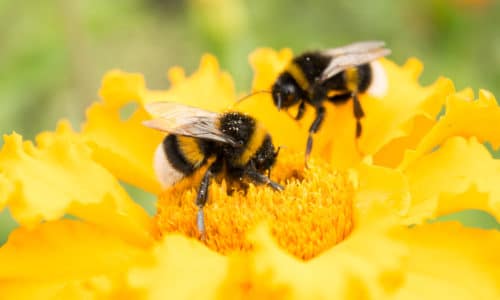
Bees: Vital Pollinators, But Often Misunderstood
Bees are very different creatures to wasps, even if at a glance they can look similar.
Bees are:
- primarily pollinators focused on flowers and plants
- generally less aggressive than wasps
- unlikely to be attracted by food scraps or waste
You’ll often see bees working in gardens, moving from flower to flower, collecting nectar or pollen. They play a critical role in our local ecosystems and food production, especially in urban gardens, parks and orchards.
Importantly:
- bees usually only sting if they are threatened or trapped
- a bee sting is much less likely than repeated wasp stings
- bees die after stinging, which makes them less likely to attack without cause
Where bees nest depends on the species. Honey bees might establish hives in tree hollows, while native bees use hollow plant stems or ground cavities. These are often best left undisturbed, and where removal is needed, relocation by a beekeeper is a safer option.
How to Tell Them Apart
When you’re outdoors, a few simple clues can help you distinguish wasps from bees:
Look for behaviour:
- Wasps hover around food, drinks and rubbish
- Bees are most often seen around flowers and plant beds
Watch their bodies:
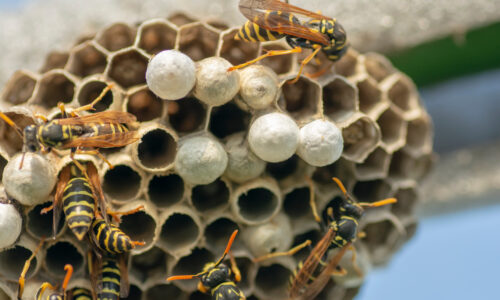
- Wasps have sleek, smooth bodies with bold yellow stripes
- Bees have hairy bodies suited to carrying pollen
Notice the aggression:
- Wasps are more likely to swoop and investigate human food
- Bees are more likely to ignore people unless provoked
Spotting the difference matters for safety, for pest control decisions and for understanding how to respond when one or the other shows up in your yard.
What This Means for Homeowners
If you see European wasps on your property it can be a warning sign that conditions are right for a worst‑case scenario. Wasps multiply quickly, and once they establish a nest near your home, the risk of stings increases significantly.
Bees, on the other hand, are generally not a threat if they are going about their business in flower beds and garden borders. In fact, many gardeners welcome their pest‑pollinating presence.
It becomes a problem only if:
- bees build a hive in a high‑traffic area
- their nest is inside a roof void or wall cavity
- someone in the household is highly allergic
In these cases, professional assistance can help remove the issue safely and with minimal impact to the bee colony.
Do This Now to Reduce Pest Problems
Whether you’re dealing with wasps or just want to support bees while keeping pests under control, the following steps are effective:
- Secure food and waste
Keep outdoor food covered and bins tightly closed. Wasps are highly attracted to sweet and protein‑rich foods, so reducing easy targets helps discourage them. - Maintain outdoor spaces
Trim vegetation, remove fallen fruit from trees, and keep outdoor eating areas clean. This reduces the breeding and feeding grounds for insects. - Repair access points
Make sure screens on windows and doors are intact, seal gaps around rooflines and soffits, and fill holes in outdoor structures where insects may nest. - Observe early signs
If you start to see increasing numbers of wasps or bees around your home early in the season, it’s important to act quickly. The earlier an issue is addressed, the easier it is to manage.
Frequently Asked Questions
How can I quickly tell if it’s a wasp or a bee?
Look at their behaviour first. Wasps buzz around food and waste, while bees focus on flowers. Body shape also helps: wasps are smooth and sleek, bees are rounder and hairy.
Are wasp stings more dangerous than bee stings?
Wasps can sting repeatedly and may cause painful reactions. Bees usually sting only when provoked and are less likely to attack without cause.
What should I do if I find a wasp nest near my home?
Avoid disturbing it and contact a professional pest controller who can safely inspect and remove the nest.
Can bees be safely removed if they nest near my house?
Yes. Contact a local beekeeper or technician experienced in bee relocation to keep both your family and the bees safe.
What time of year are wasps most active in south‑eastern Australia?
European wasps become more active in spring and reach peak activity in summer months. Early action helps reduce infestations later in the season.
Taking Action with Flick Pest Control
European wasps are more than a nuisance. Their behaviour and nesting patterns mean they can pose real risk to your family, your pets and your outdoor lifestyle. Flick Pest Control provides expert inspections and solutions for wasps, bees and other insect challenges throughout south‑eastern Australia.
If you’re seeing increased insect activity, or if you suspect a nest is forming, now is the time to act.
Call Flick for an inspection and safe treatment plan, or book a free quote online today.
Enjoyed this article?
If you found this article helpful, sign up for our free Quarterly Newsletter to receive all our tips and tricks on pest control and washroom hygiene.
Sign Me Up!Book A Service Now
Book us for an inspection today and safeguard your home!