
Residential Pest Control in Newcastle
Living in Newcastle means dealing with a mix of coastal conditions, seasonal temperature changes and urban development, all of which influence pest activity throughout the year. While pest pressure is not as constant as tropical regions, homes in Newcastle still face ongoing risks, particularly from rodents, cockroaches and seasonal insect activity.
Flick provides tailored residential pest control services in Newcastle, helping homeowners manage pests as they emerge and prevent infestations from becoming established. Whether you are dealing with winter rodent activity or increased insect presence during warmer months, our local technicians understand how pest behaviour changes across the region.

Why Pest Control Is Important for Newcastle Homes
Newcastle’s environment creates a seasonal pattern of pest activity. Warmer months bring increased insect populations, while cooler temperatures drive pests such as rodents indoors in search of shelter.
Key factors influencing pest activity in Newcastle include:
- Coastal humidity supporting insect populations
- Cooler winters pushing rodents indoors
- Suburban gardens and vegetation creating nesting areas
- Structural gaps allowing easy entry into homes
Without ongoing pest management, these factors can lead to recurring issues that worsen over time.
Common Household Pests in Newcastle
Pest activity in Newcastle is driven more by seasonal shifts than constant pressure, meaning different pests become more prominent at different times of the year.
-
Rodents
Rodents are one of the most significant pest concerns in Newcastle, particularly during autumn and winter. As temperatures drop, mice move indoors seeking warmth and food, often nesting in roof cavities, wall voids and storage areas. Once established, they can reproduce quickly, making professional rodent control essential for effective removal and long term prevention.
-
Cockroaches
Cockroaches remain active year round indoors, especially in kitchens and bathrooms where moisture and food are present. Warmer months can increase outdoor populations, leading to more frequent indoor sightings. Persistent infestations are best managed with targeted cockroach control treatments.
-
Ants
Ant activity increases during spring and summer as colonies expand and forage for food. They are often found entering homes through small cracks or gaps, particularly in kitchens and outdoor entertaining areas. Effective ant control focuses on eliminating the source of the infestation rather than temporary surface treatments.
-
Spiders
Spiders are commonly found in outdoor areas such as garages, sheds and gardens. Their presence is often linked to underlying insect activity, particularly during warmer months. Routine spider control services can help reduce both spiders and the insects that attract them.
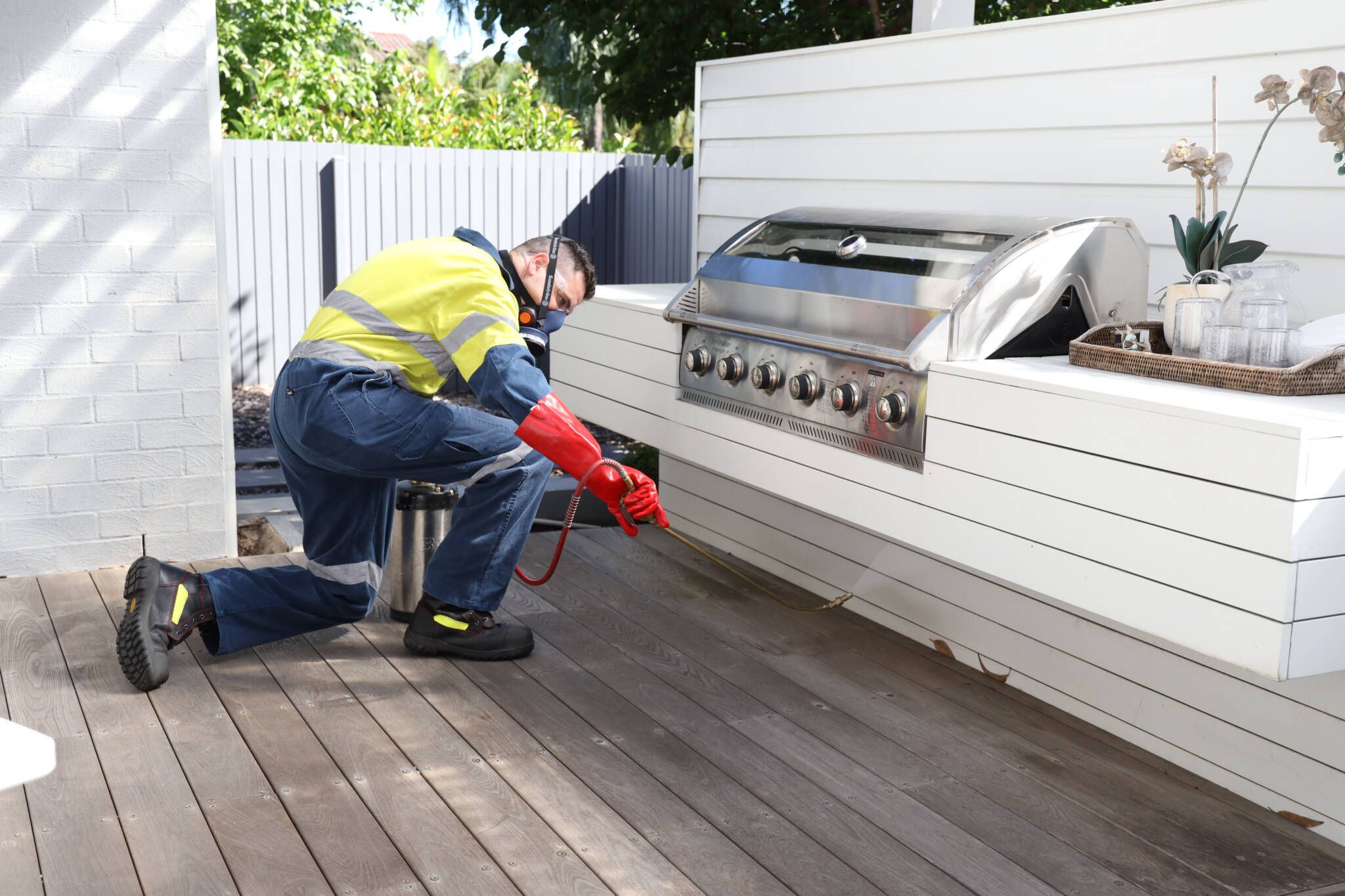
Our Residential Pest Control Services in Newcastle
Flick offers comprehensive residential pest control services designed to respond to Newcastle’s seasonal pest patterns. Our approach focuses on prevention as well as treatment.
- Inspection
We begin with a detailed inspection to identify pest activity, potential entry points and environmental conditions that may be contributing to infestations. - Treatment
Treatments are tailored to the pests affecting your home, ensuring effective removal while also addressing the root cause of the problem. - Ongoing Protection
Because pest activity changes throughout the year in Newcastle, ongoing pest management is often the most effective way to maintain a pest free home. Flick’s residential pest control services provide consistent protection and help reduce seasonal infestations.
For homeowners looking to safeguard their property further, integrating a preventative termite treatment solution can help protect timber structures, particularly in areas with higher moisture exposure.
Why Choose Flick for Residential Pest Control in Newcastle
Flick combines local expertise with proven pest control methods to deliver reliable results for Newcastle homeowners. Our technicians understand how seasonal and coastal factors influence pest behaviour and tailor treatments accordingly.
- Local knowledge of Newcastle pest patterns
- Targeted treatments based on seasonal activity
- Safe solutions for families and pets
- Flexible service plans for ongoing protection
- Backed by decades of experience
If you are searching for residential pest control near you or comparing residential pest control Newcastle cost options, working with a provider that understands local conditions is essential.
You can also explore Flick’s full range of Newcastle pest control services to see how residential pest control fits into a broader pest management strategy.
Get a Free Quote for Residential Pest Control in Newcastle
Protect your home from seasonal pest activity before it becomes a larger issue. Flick provides expert residential pest control services across Newcastle, helping homeowners stay ahead of infestations throughout the year.
Contact Our Team today to request a free quote and secure your home against pests.
FAQs
Why are rodents so common in Newcastle homes during winter?
Rodents become more active indoors during cooler months as they search for warmth and food. Homes with roof access points or nearby vegetation are particularly vulnerable.
How much does residential pest control cost in Newcastle?
The cost of residential pest control in Newcastle depends on the property size, pest type and level of infestation. Seasonal rodent issues or recurring infestations may require more tailored solutions.
Do I need pest control year round in Newcastle?
While pest activity is more seasonal, year round pest control helps prevent infestations before they establish, particularly when transitioning between seasons.
What pests are most active in Newcastle during summer?
Ants, cockroaches and spiders are more active during warmer months, often entering homes in search of food and shelter.
Is termite treatment necessary in Newcastle?
Termite risk exists in Newcastle, particularly in areas with moisture and timber structures. Preventative treatment and regular inspections are recommended for long term protection.