Home Termite inspection | Flick's Expert Treatment Solutions

SUBFLOOR VENTILATION - PROTECT YOUR HOME FROM TERMITES

REDUCE SUBFLOOR VENTILATION AND AVOID EXPENSIVE REPAIRS

Moisture can build beneath homes with suspended timber floors, creating damp conditions that affect timber, indoor air quality and termite risk. Flick’s subfloor ventilation systems are designed to improve airflow, reduce moisture build-up and support your broader termite management strategy.

Call Now 1300 270 019or our quote form

Get Your Free Quote*

*Available for most services, call for details.

Call us now 1300 270 019

    Found termites in your home? Don’t disturb them and call 1300 270 019 NOW!

    What Is Subfloor Ventilation and Why Does It Matter?

    Help Moisture Escape From The Space Beneath Your Home

    Subfloor ventilation is the movement of air through the space beneath a suspended floor.
    When airflow is limited, moisture can collect in the subfloor area. Over time, this can contribute to higher
    humidity, timber deterioration, mould and fungal growth.

    A well-ventilated subfloor helps moisture escape and supports a drier environment beneath the home. This is important because damp, still conditions can make a property more attractive to termites and may contribute to long-term timber damage if left untreated.

    Call Now 1300 270 019or our quote form

    How Subfloor Ventilation Supports Termite Protection

    Reduce Conditions That Can Make Your Home More Attractive To Termites

    Subfloor moisture is one of the common conditions that can contribute to termite activity. Subfloor ventilation
    is recognised under AS 3660 as an important consideration in termite management because it helps address
    conditions that can make a property more vulnerable to termite attack.

    Reducing moisture under the home can help:

    • Lower conditions conducive to termite activity
    • Support the performance of termite management systems
    • Reduce the risk of long-term timber damage
    • Improve airflow beneath suspended timber floors

    Subfloor ventilation is not a replacement for regular termite inspections or termite management systems. It
    forms part of a broader approach to protecting your home.

    Call Now 1300 270 019or our quote form

    Why Subfloor Ventilation Is Easy to Overlook

    Out Of Sight Issues Can Develop Before Damage Becomes Visible

    Subfloor ventilation issues develop gradually and out of sight, which is why they are often missed until a problem is already underway.

    Common issues include:

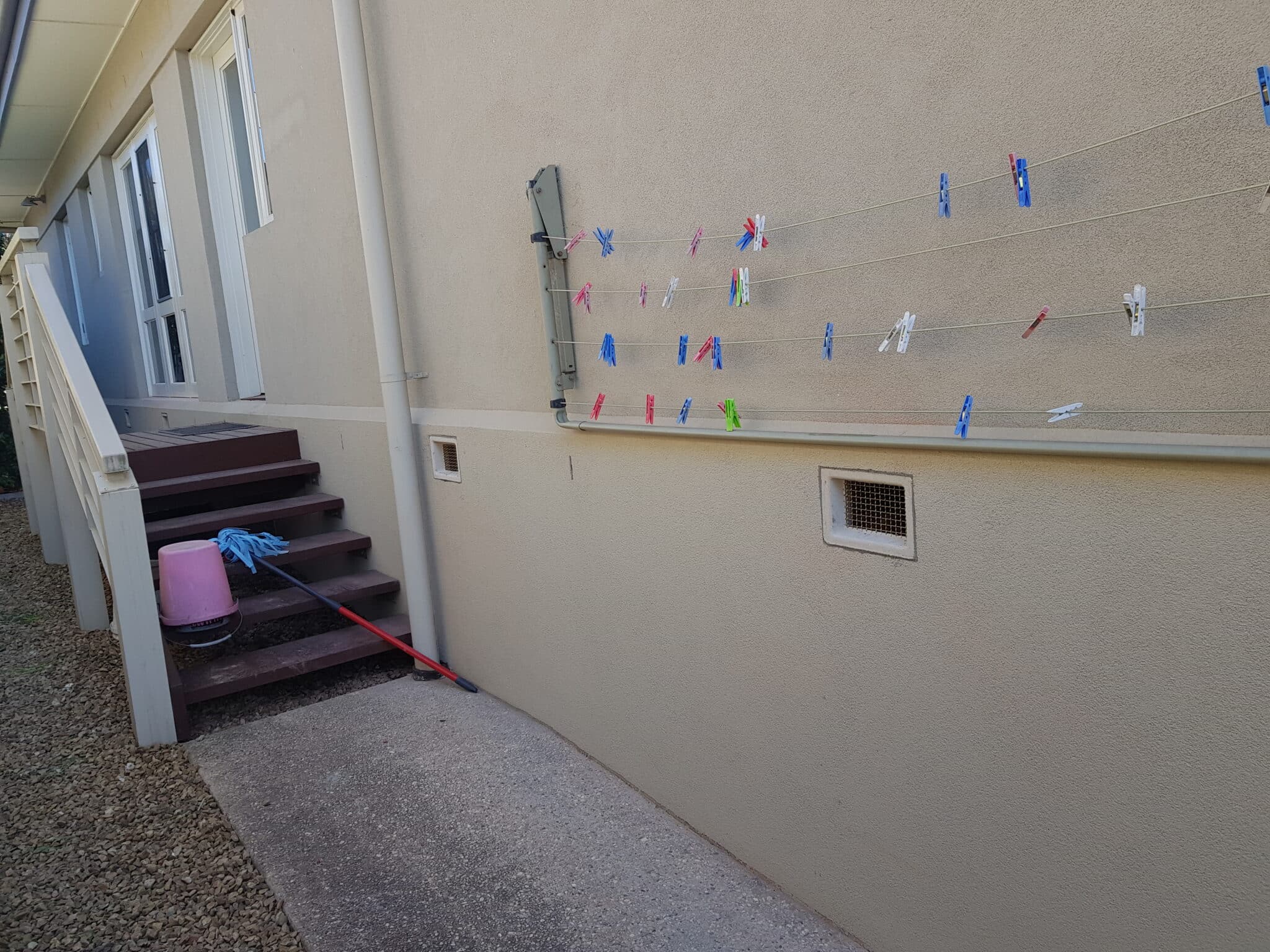
    • Vents becoming blocked, damaged or painted over without anyone noticing
    • Ground moisture rising and collecting in enclosed subfloor spaces
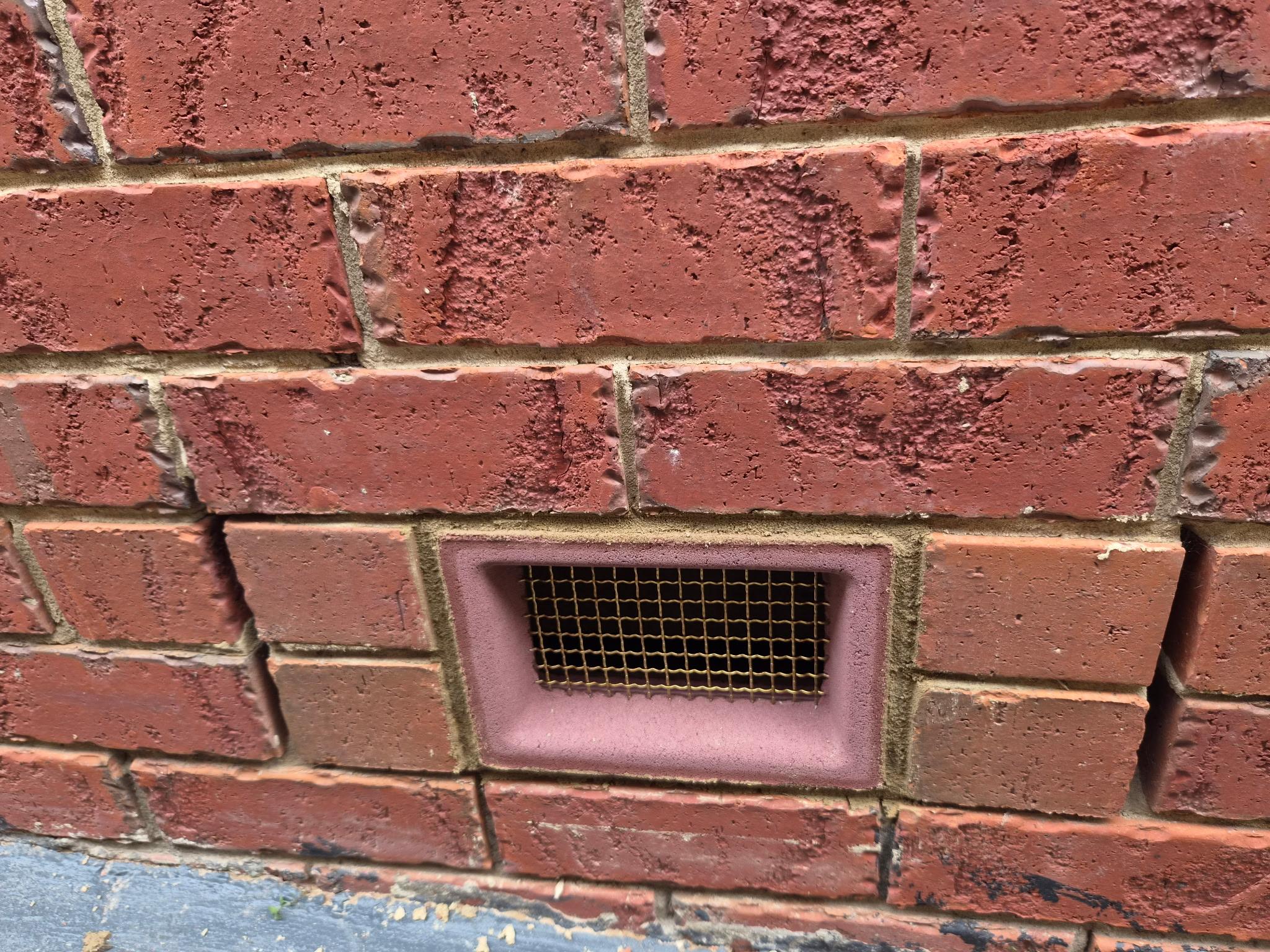
    • Original brick or terracotta vents being undersized for modern airflow needs
    • Older Victorian and Edwardian-era homes often relying on original ventilation that may no longer provide adequate airflow
    • Damp, still conditions creating an environment that can support termite activity
    • Moisture continuing to affect timber before visible signs appear inside the home

    Because these conditions build slowly, addressing subfloor ventilation early can help reduce the risk of more
    significant timber damage later on.

    Call Now 1300 270 019or our quote form

    Signs of Poor Subfloor Ventilation

    Know What To Look For Around Your Home

    Subfloor problems are not always visible, but you may notice signs inside or around the home.
    These can include:

    • Persistent musty odours
    • Recurring mould growth
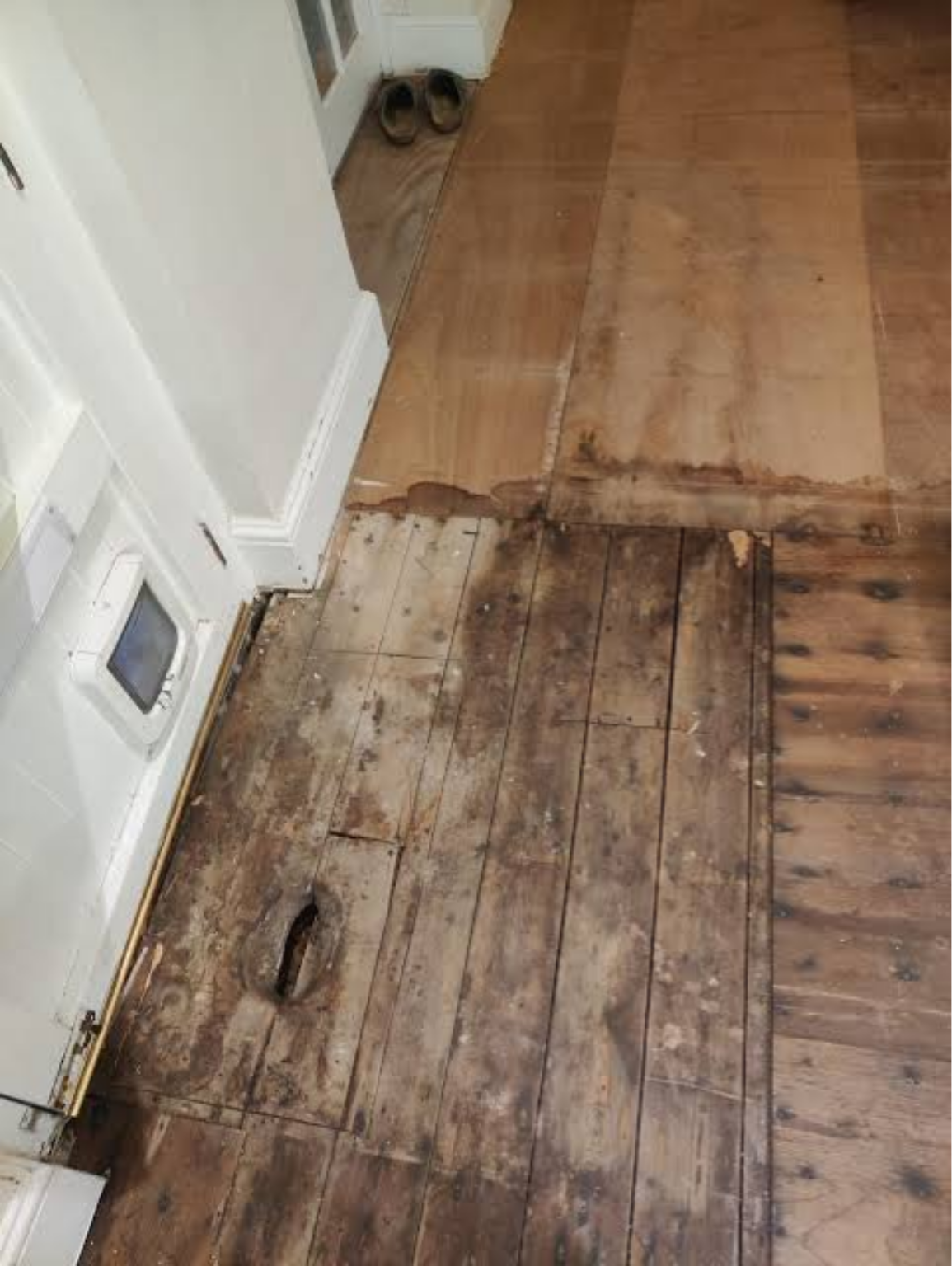
    • Timber floors that feel uneven, soft or cupped
    • Creaking or movement in timber flooring
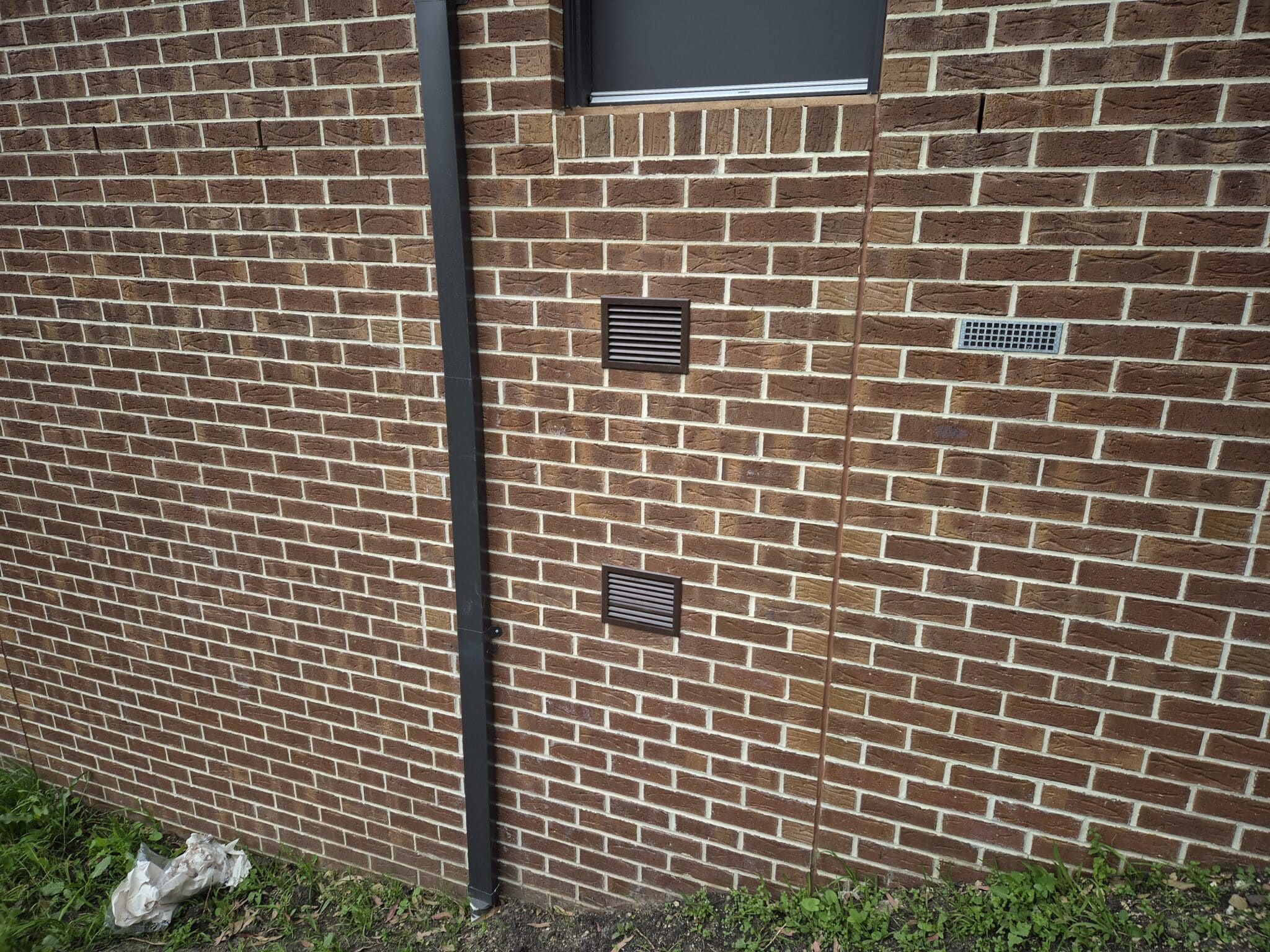
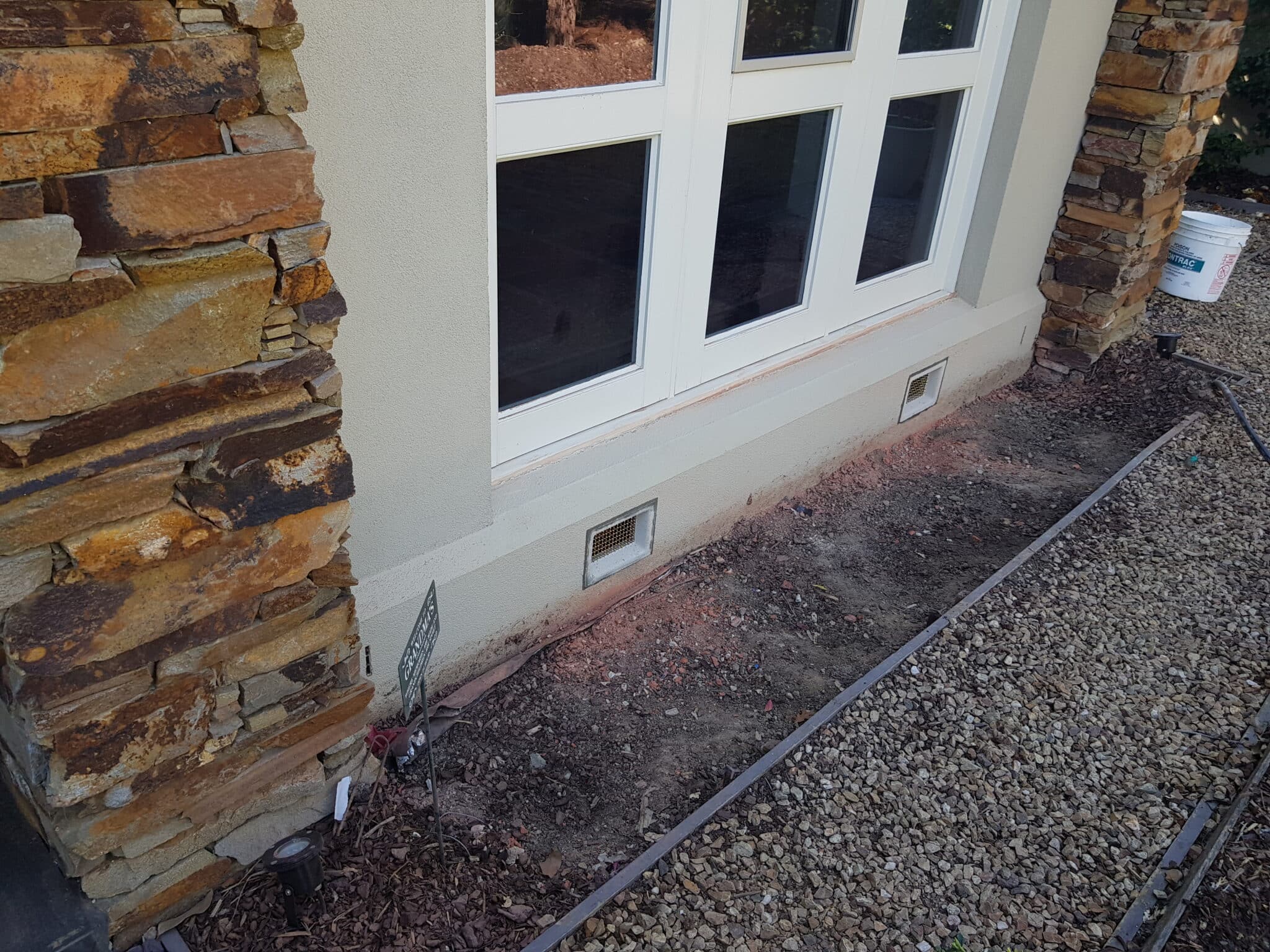
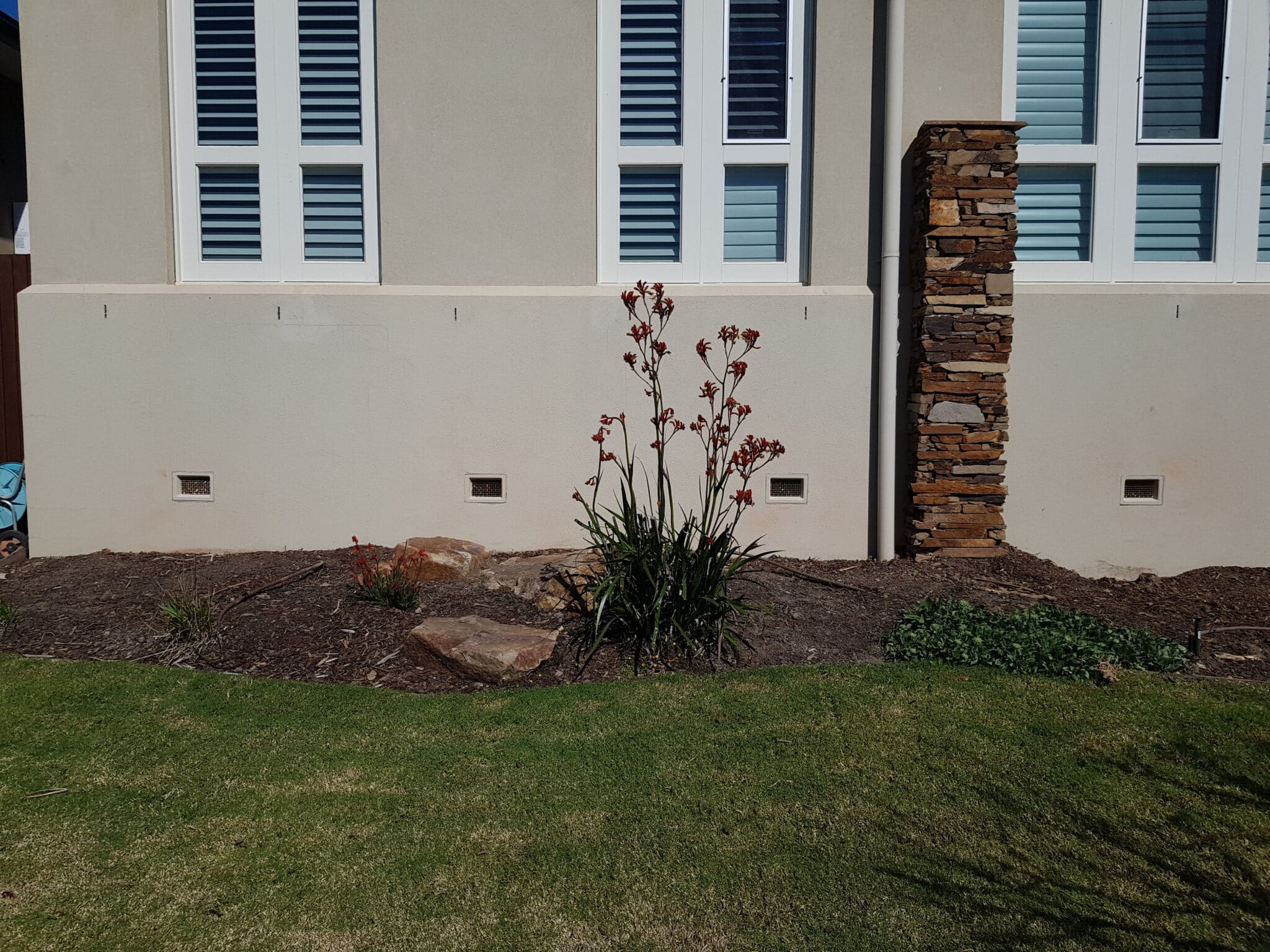
    • Blocked, damaged or ineffective vents
    • Inspection reports noting “conducive conditions”
    • Dampness around the base of the home

    If these signs are present, a subfloor assessment can help determine what is happening beneath the property

    Call Now 1300 270 019or our quote form

    Flick Subfloor Ventilation Solutions

    Tailored Ventilation Solutions For Your Property

    Flick provides subfloor ventilation and moisture management solutions tailored to your home.
    Every property is assessed based on its construction, access, ventilation, moisture conditions and termite
    risk profile.

    Depending on the property, recommendations may include:

    • Improving subfloor airflow
    • Replacing or upgrading existing vents
    • Installing mechanical ventilation systems where required
    • Identifying areas where moisture is building up
    • Supporting your existing termite management plan

    The aim is to create a drier subfloor environment that helps reduce conditions conducive to termite activity
    and protects structural timber over time.

    Call Now 1300 270 019or our quote form

    What To Expect From Your Assessment

    Book a Subfloor Ventilation Assessment to understand what is happening beneath your home and whether action is required.
    • All inspections are conducted by trained Flick technicians
    • Clear recommendations are provided before any work is undertaken
    • Receive tailored advice based on your property
    Call Now 1300 270 019or our quote form
    Flick technician explaining Flick's home protection plans to homeowners

    Why Choose Flick For Subfloor Moisture Management

    What Makes Flick Pest Control The Industry Leader

    • Expertise: Our team has extensive experience identifying and managing conditions that contribute to termite activity across a wide range of Australian homes.
    • Custom solutions: We assess each property individually and recommend solutions based on its construction, ventilation and moisture profile
    • Integrated approach: Subfloor moisture management is considered as part of your broader termite management strategy, supporting systems such as baiting, chemical and physical barriers.
    • Standards and safety: All recommendations align with Australian standards and are designed to be
      appropriate for the home, its occupants and the surrounding environment.
    Call Now 1300 270 019or our quote form

    Treatments

    1. Spot Treatments For A Quick Fix

    Spot treatments for termites in residential homes include Termite Dusting directly on the locations where termites are feeding, plus Chemical Soil Treatments underneath the home. This may require multiple visits from our expert team.

    Have You Got Questions? Call us on 1300 270 019

    2. Baiting

    Flick’s Flixterm Termite Interception and Baiting System is an environmentally friendly termite solution that monitors, intercepts and eliminates termites.

    Have You Got Questions? Call us on 1300 270 019

    3.Complete Eradication (Soil Treatments)

    For a serious termite infestation, complete eradication may requite a multi-pronged approach: Termite Dusting and Chemical Soil Treatment to remove a current colony, followed by the installation of our Termite Interception and Baiting System.

    I found Termites! Help!

    Don't worry, we're here to help. Follow these steps to stay safe until help arrives!

    • Call a Professional

      Call Flick Pest Control Immediately.

      If you encounter termites in your home, you may be dealing with an infestation. Don’t wait until the problem gets out of hand – we can help protect your property and ensure the health and safety of those around you. Fill out the form below or call 1300 270 019 today.

    • Leave the Termites Alone

      Trust Flick Pest Control to handle the situation

      Our pest control technicians have the knowledge, experience, and tools necessary to effectively and safely eliminate pests from your home. Attempting to treat termites on your own can be risky and may not fully eradicate the problem.

      We will and ensure a safe and effective outcome for your property.

    • There May be More!

      Don’t Go Looking Around!

      Flick’s pest control experts will perform a thorough inspection of the property to identify any areas where termites may be present, followed by the development of a treatment plan tailored to the specific needs of the situation. By implementing effective pest control strategies, we can help ensure a pest-free environment for you.

    Frequently Asked Questions

    1. What is subfloor ventilation and why is it important?

      Subfloor ventilation improves airflow beneath your home to reduce moisture build-up. Excess moisture can weaken structural timber, encourage mould growth, and create conditions that attract termites. Maintaining a dry subfloor helps protect your home and supports long-term termite management.

    2. Does poor subfloor ventilation cause termites?

      Poor ventilation doesn’t directly cause termites, but it creates damp, humid conditions that termites are drawn to. Reducing subfloor moisture lowers the likelihood of termite activity and helps termite management systems perform more effectively.

    3. How do I know if my home has a subfloor moisture problem?

      Subfloor issues are not always visible, but common signs include:

      • Musty or damp smells inside the home
      • Mould appearing on walls, clothing or stored items
      • Timber floors that feel soft, spongy or creak excessively
      • Increased humidity indoors
      • Little to no airflow from existing vents

      If you’re noticing any of these, a subfloor assessment can help identify the cause.

    4. What does a subfloor ventilation system do?

      A subfloor ventilation system improves airflow to remove trapped moisture. Depending on the property, this may involve upgrading vents, improving natural airflow, or installing mechanical ventilation. The goal is to create a drier environment that protects timber and reduces termite risk.

    5. Is subfloor ventilation worth it?

      For homes with suspended timber floors, it can be a valuable preventative measure. It helps reduce the risk of timber damage, improves indoor air quality, and supports termite protection by addressing moisture conditions early.

    6. Can subfloor ventilation reduce mould and damp smells?

      Yes. Improving airflow helps remove excess moisture, which is one of the main causes of mould and persistent damp odours. Addressing the moisture source can lead to noticeable improvements inside the home.

    7. What happens if subfloor moisture is not addressed?

      Over time, ongoing moisture can lead to:

      • Timber weakening or damage
      • Increased termite risk
      • Mould and fungal growth
      • Ongoing indoor air quality issues

      These conditions often worsen if left untreated.

    8. Is subfloor ventilation required for termite protection?

      It’s not always required, but it is recognised as an important part of termite management. Reducing moisture helps minimise conditions that attract termites and supports the effectiveness of termite protection systems.

    9. How long does it take to install subfloor ventilation?

      Installation time depends on the type of solution and the size of the property. In many cases, work can be completed within a day, but more complex systems may take longer.

    10. Do all homes need subfloor ventilation?

      Not all homes require additional ventilation. It is most relevant for homes with suspended timber floors, limited airflow, or signs of moisture build-up.

    11. Why does my house smell musty even when it’s clean?

      A musty smell is often caused by moisture trapped beneath the home. This moisture can rise into living areas, especially in homes with poor subfloor ventilation.

    12. Can subfloor moisture affect my health?

      Excess moisture can contribute to mould growth, which may impact indoor air quality and aggravate allergies, asthma, or other respiratory conditions.

    13. What is the best way to fix subfloor moisture?

      The right approach depends on the property. Solutions may include improving airflow, upgrading vents, installing mechanical ventilation, or addressing areas where moisture is building up. A professional assessment will determine what’s needed.

    14. What happens during a subfloor assessment?

      A trained technician will inspect accessible areas beneath your home, assess ventilation and moisture conditions, and provide clear recommendations on whether any action is required.

    15. Do you offer subfloor ventilation in my area?

      Subfloor ventilation services are currently available in Melbourne. If you’re located elsewhere, you can still submit an enquiry and our team will advise on availability.

    16. Do I need to be home for the inspection?

      In most cases, yes. This allows access to the property and gives you the opportunity to walk through the findings and recommendations with the technician.

    17. What happens after the assessment?

      You’ll receive clear, practical recommendations based on your property. If work is required, it will be explained before anything proceeds.


    Book a Timber Pest Inspection

    Safeguard your home from termites today!